Flora Feltham
Flora Feltham on finding her voice, embracing doubt, and the space between
emergence and established
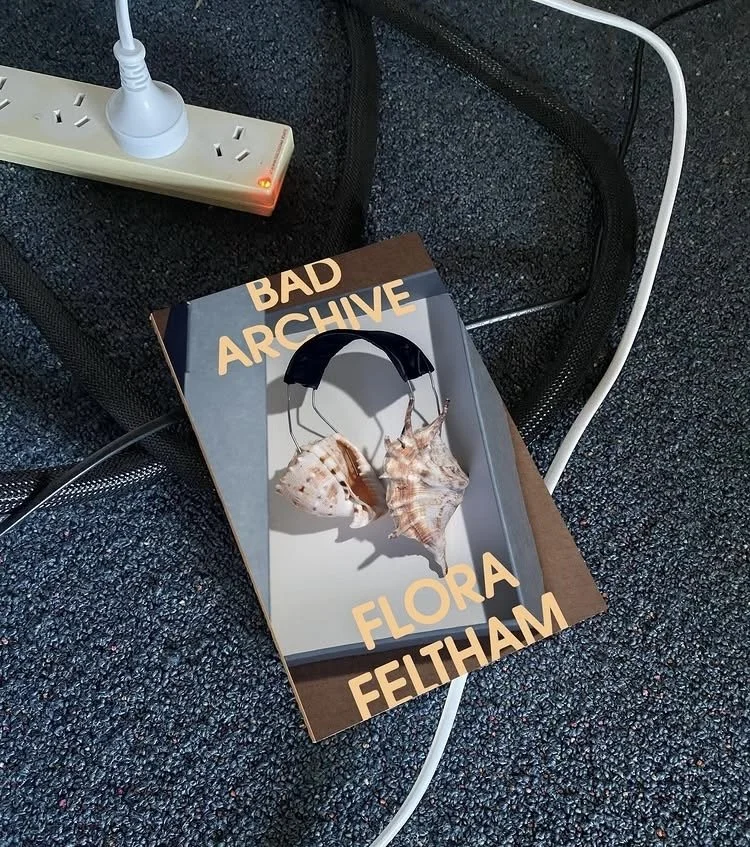
Flora Feltham is a Pōneke-based writer, weaver and archivist working across memory, material, and form. Her debut essay collection Bad Archive (Te Herenga Waka University Press, 2024) was shortlisted for the 2025 Ockham New Zealand Book Awards (General Non-fiction), won The Spinoff’s People’s Choice Award, and was named one of The Dominion Post’s Best 35 Books of 2024. Her essays have appeared in The Guardian, The Melbourne Age, New Zealand Geographic, and The Spinoff.
In April 2026, Feltham received The Arts Foundation Te Tumu Toi Springboard Award (gifted by Joy Shivas), mentored by 2011 Laureate Emily Perkins, further cementing her as one of Aotearoa’s most compelling emerging voices.
Was there a moment where it shifted from experimentation into something you recognised as your voice?
Flora : Oh man! I’m not quite sure I’ve found a coherent voice yet, but I do recognise parts of myself in all my writing, even at its most experimental. One thing I’ve loved since publishing Bad Archive is when people tell me that reading it is just like talking to me. I didn’t realise that was how I was writing, but I’m so happy it turned out like that. One early, important moment for me as a writer was enrolling in my first creative writing class, a night school taught by Diane Comer in 2020. In doing this, I finally gave myself permission to try really hard at writing, and I admitted there was something at stake for me here beyond just keeping a diary. So that moment wasn’t about recognising my voice per se, but deciding to take it seriously, whatever it was.
What does a “good" day in the studio look like for you?
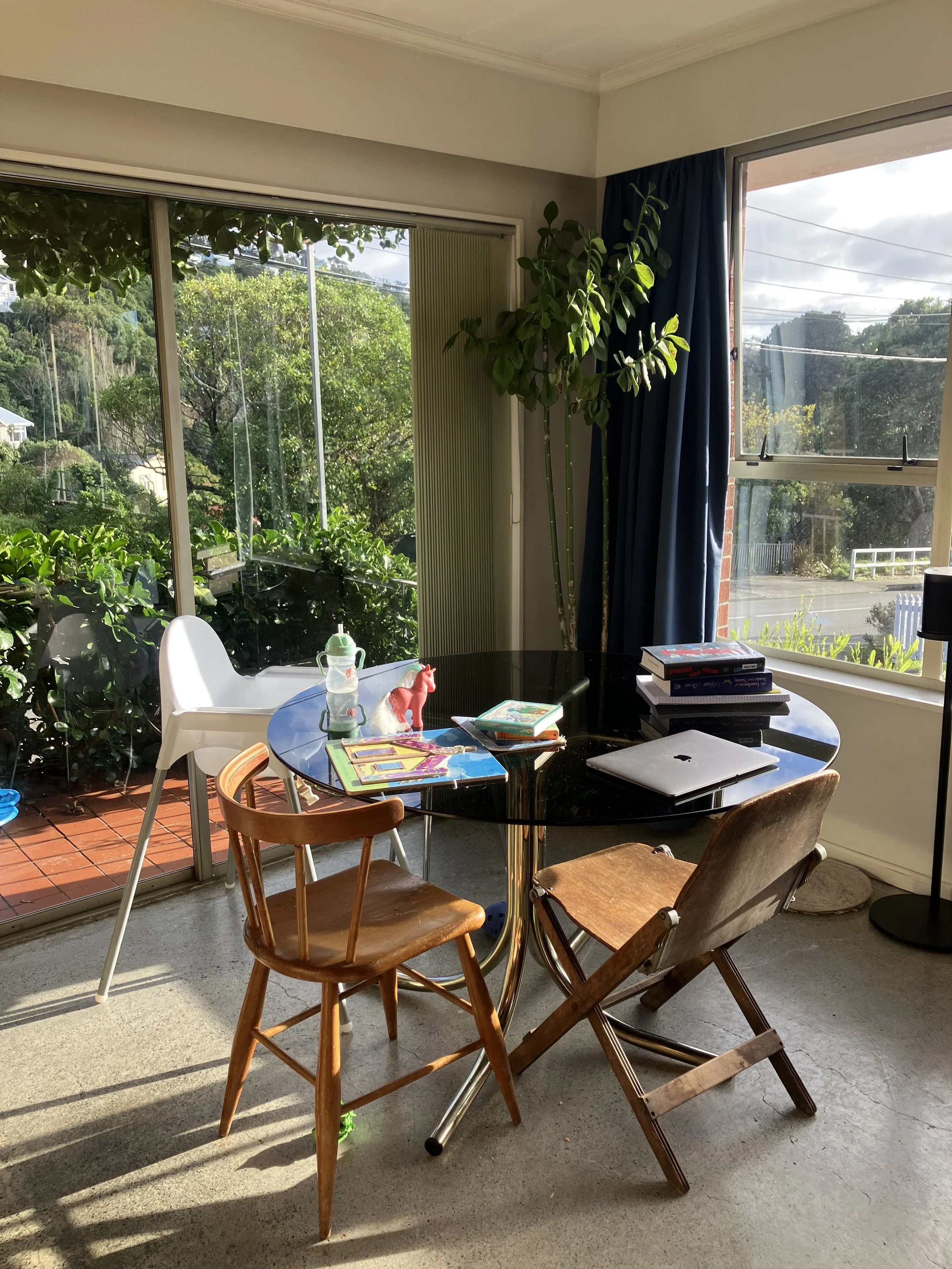
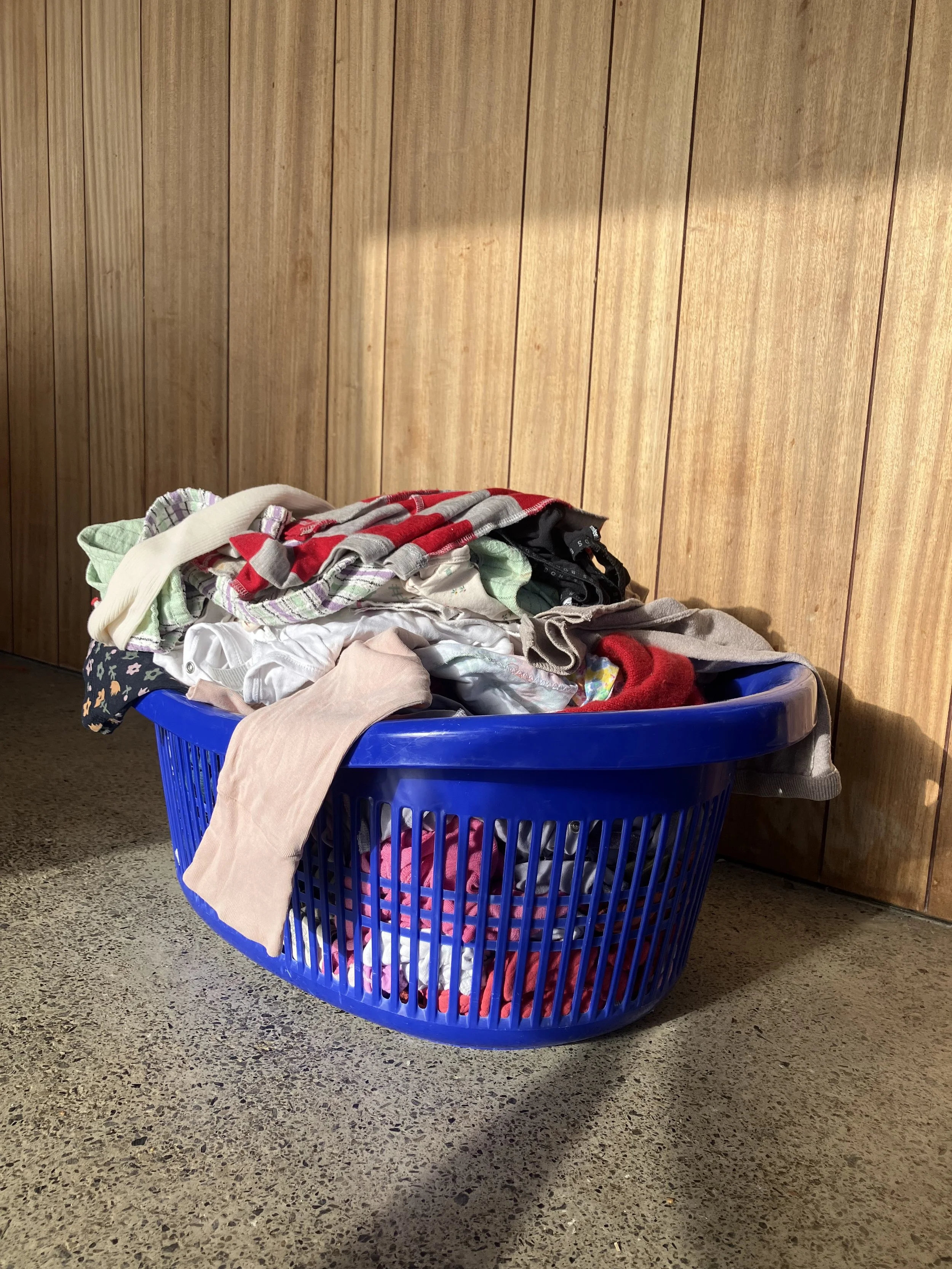
Flora : Becoming a mum upended my ideas of what an arts practice should look like, and now I am grateful for any day where I find time to write. My studio is the kitchen table, and I work when my three-year-old is at kindy and my one-year-old is napping. The true foundation of my writing practice, though, is ignoring everything else I should be doing: the washing, the dishes, the vacuuming.
What are you currently looking at, inside or outside of art, that's quietly shaping your thinking?
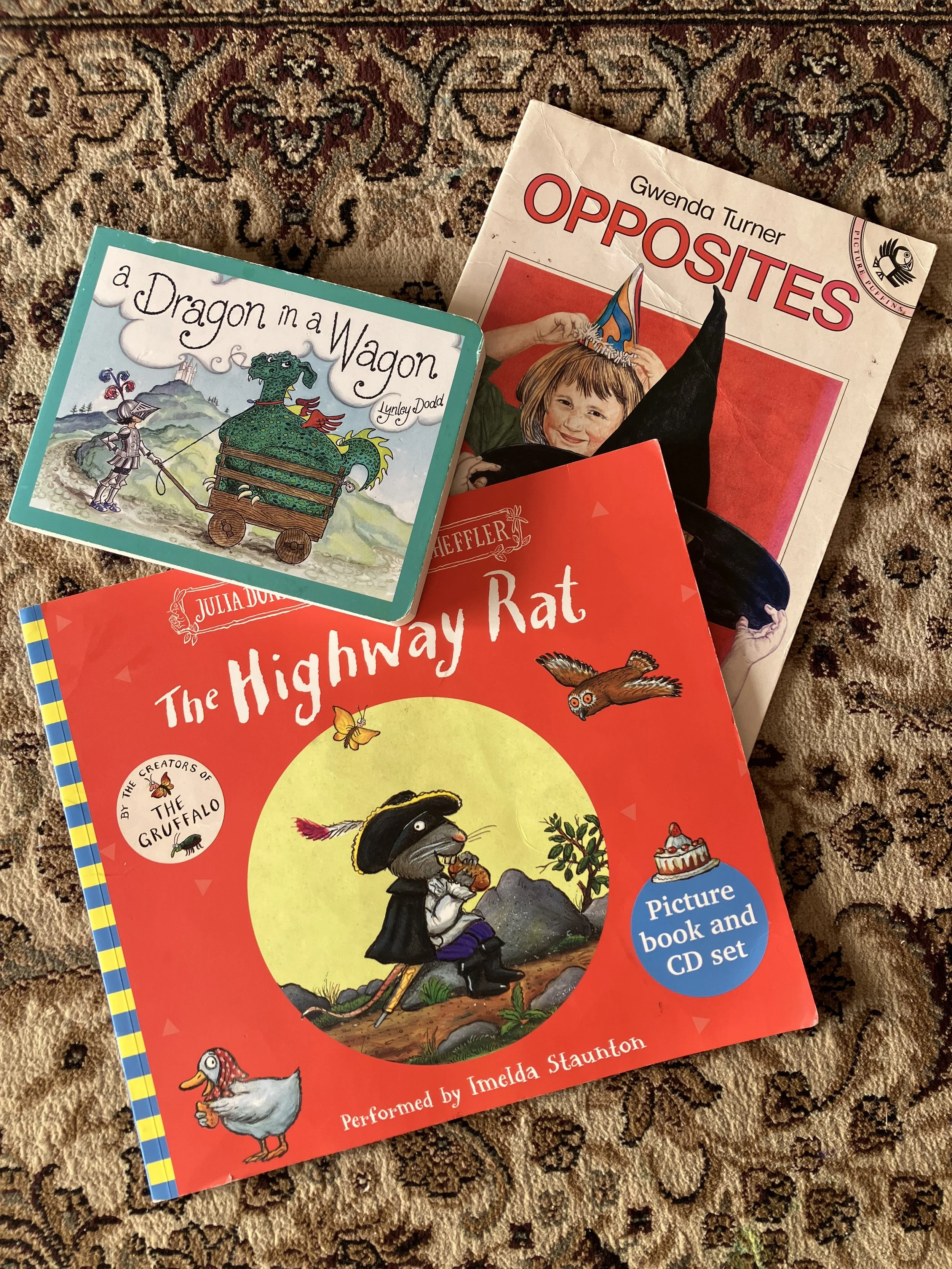
Flora : I’ve been thinking a lot about the artistic possibilities of smallness and repetition. This comes partially from the weird scale of parenthood, with its circular time and tiny geography (home, kindy, Pak’nSave, the park), but also its huge emotional landscape and its connection to massive, thorny existential questions. How can life be so small and so huge at the same time? My thinking also stems from reading the same picture books over and over again to my kids. Books by Lynley Dodd and Julia Donaldson ignite my love for language at the sentence level, no matter how many times I read them. And it’s all thanks to their mastery of rhyme, meter, rhythm, and repetition. A Dragon in a Wagon has few words, but it is a masterpiece.
Flora Feltham
Being part of The Arts Foundation Te Tumu Toi Springboard Awards positions you within a certain narrative of “emerging artist.” How do you sit with that label?
Flora : Recently my friend Meg Rollandi, who is an incredible performance designer, suggested an idea I really agree with, so I’m just going to repeat it here: she wondered if there will always be a part of an artist’s practice that is emerging, even if that newness is supported by other areas of our practices which are long-established and strong. So following on from that, I think the label emerging will always feel apt for me. I also love the image of the world conjured by that word: butterflies, birth, sunrise/moonrise, etc. All good stuff. I maybe even wish we had more dynamic and fun terms instead of ‘mid-career’ and ‘established’??
What role does doubt play in your practice? Is it something you resist or something you’ve learned to work with?
Flora : Doubt is a big part of my practice, and I’m learning to work with it. It’s useful for me to differentiate between Helpful Doubt and Bad Doubt. Helpful Doubt gives me humility and perspective. It’s even kind of mystical. That doubt never knows where an essay is going and isn’t necessarily sure I can do it, but it trusts the practice. Helpful Doubt stops me trying to control my work and encourages me to surrender to the creative process. Bad Doubt is just the mean voice in my head telling me no one likes my writing. So yes, we should all ignore that one. To deal with that, I scribble my fears on a page as they arise. It acknowledges them but doesn’t trap me in their shitty orbit. It gets them literally out of my head.
Find out more about Flora Fetham’s work here, and learn about The Arts Foundation Te Tumu Toi Springboard Award.
This post was brought to you in partnership with The Arts Foundation Te Tumu Toi.