Isla Huia (Te Āti Haunui a‑Pāpārangi, Uenuku)
Isla Huia is a te reo Māori teacher and kaituhi from Ōtautahi. Talia, Isla’s debut poetry collection published in 2023, was shortlisted for the 2024 Ockham New Zealand Book Awards, with her work also featured in Ōrongohau Best New Zealand Poems in 2023 and 2024.
In April, Isla received a 2026 Arts Foundation Te Tumu Toi Springboard Award, giving her $15,000 in funding and a year of mentorship from 2024 Katherine Mansfield Menton Fellow, Selina Tusitala Marsh.
Below, Huia speaks about finding her voice, learning to work with doubt, and why she still sees herself, first and foremost as someone constantly emerging.
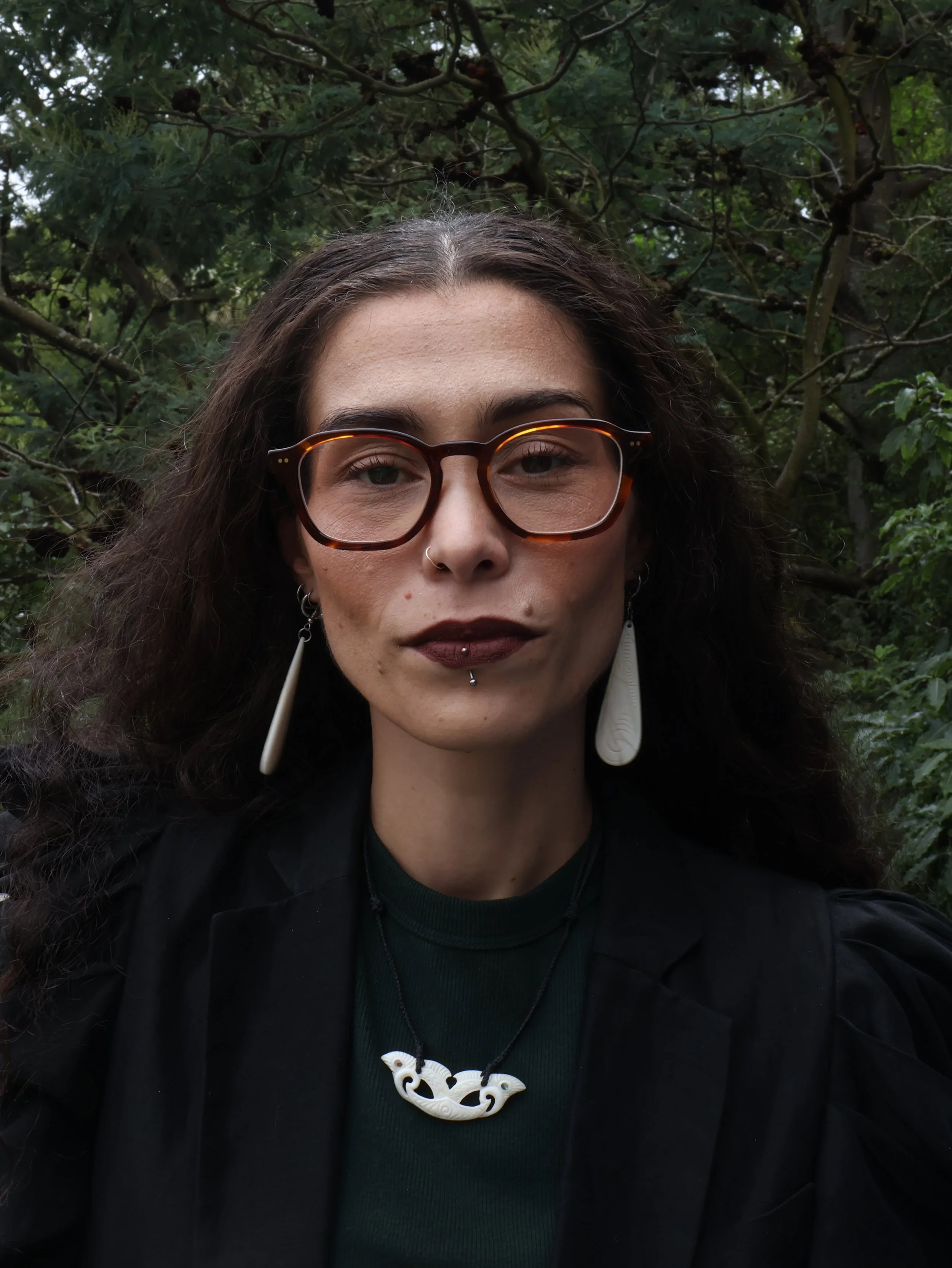
Isla Huia
Before poetry became something Isla Huia pursued intentionally, it was already part of the fabric of her life. Raised in a home filled with books by a librarian mother, Huia grew up surrounded by storytelling, language, and the quiet rituals of reading and writing. Today, the Ōtautahi-based poet, te reo Māori teacher and kaituhi has become one of Aotearoa’s most compelling emerging literary voices. Known for work that feels sharp, emotionally expansive, funny, and deeply human.
“I’m a writer who is always collecting,” says Isla Huia. “Words, sentences, little moments. It’s probably kind of obsessive.”
That instinct for observation runs throughout Huia’s work. Whether she’s reflecting on language, grief, doubt, or the process of becoming, her writing resists neat categorisation in favour of something more honest and instinctive. As she puts it: “I realised I could write in a way that was real and honest and didn’t have to align to any specific type of poetry.”
Looking back, can you share the origins of your relationship with writing? Was there an early moment or influence that shaped your voice?
Isla : I think my relationship with writing began right from the beginning - my beautiful Māmā is a librarian and raised my sisters and I to all love words. We were bought up surrounded by books, being read to every night, having mum’s book club over, and being encouraged to write. We’re all still readers as adults and feel really lucky to have had that influence. I started writing poetry with a bit more intention as a teenager, and I’d say my biggest early influence in terms of other writers was Hone Tuwhare. Something in his work has always clicked with me in a way that draws me to want to put pen to paper myself, and his influence on the world of Māori literature in general has been so immense and inspiring.
Was there a moment where it shifted from experimentation into something you recognised as your voice?
Isla : I don’t think there was a particular moment, as such, but more so just that over time I recognised that what I appreciate in other writers (more than anything else), is when they have their own distinctive style and don’t necessarily fit neatly into any genre or kaupapa or generic format. I love writing that’s challenging and different and that speaks to the whole of a person in all their many facets, and I think that realising I too could write in a way that was real and honest and didn’t have to align to any specific ’type’ of poetry was a really liberating change for me. I think it happened over time though - the more I wrote, the more I read - the more I figured out what my voice was, and what it wanted to say.
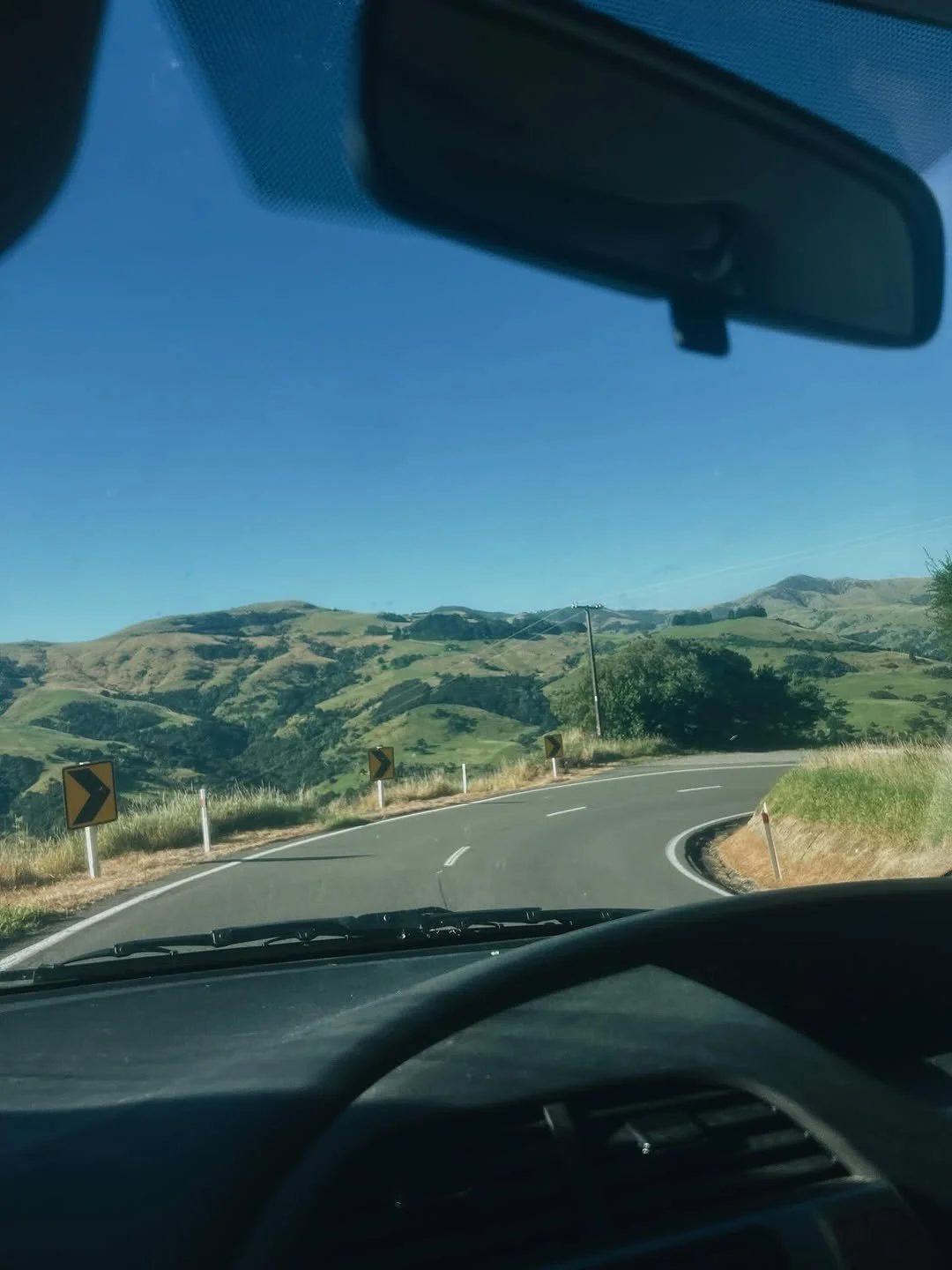
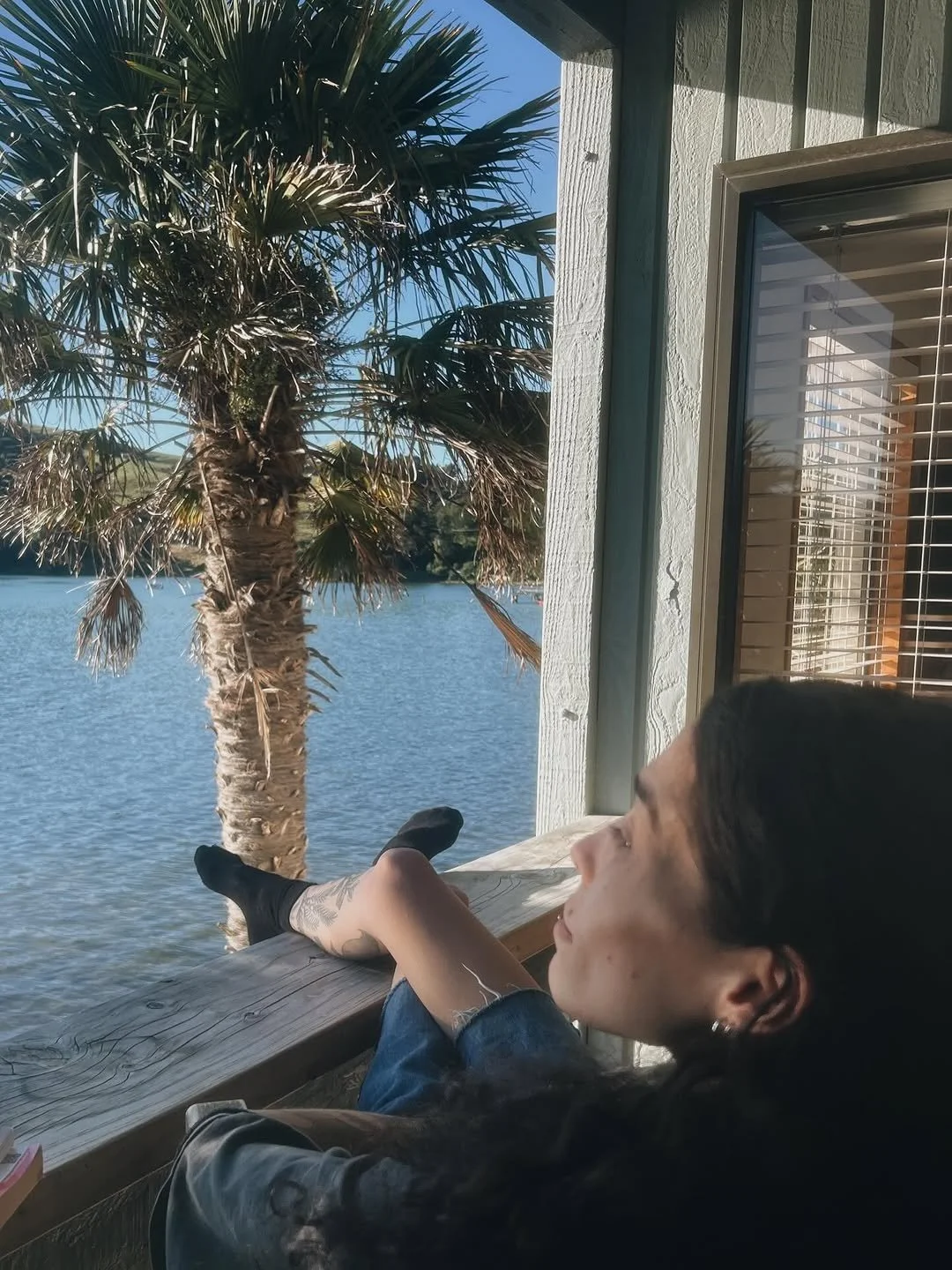
Images : @islahuiapoet
What does a “good" day in the studio look like for you?
Isla : I’m a writer who is always collecting, observing and noting down little words or sentences in a constant (kind of obsessive!) way. It’s not often that I sit down and churn out work in one big go - it’s more often of a process of sifting through my notes and piecing them together and interpreting all of the little tidbits I’ve collected over time. In that sense, I think a ‘good day in the studio’ is either a day when I get lots of content down, usually while I’m out and about and just listening to the world and what it’s got to say - or a day when I can sit down and see a really clear kaupapa woven through those notes and use them to create a poem that feels natural and easy and sits well with me.
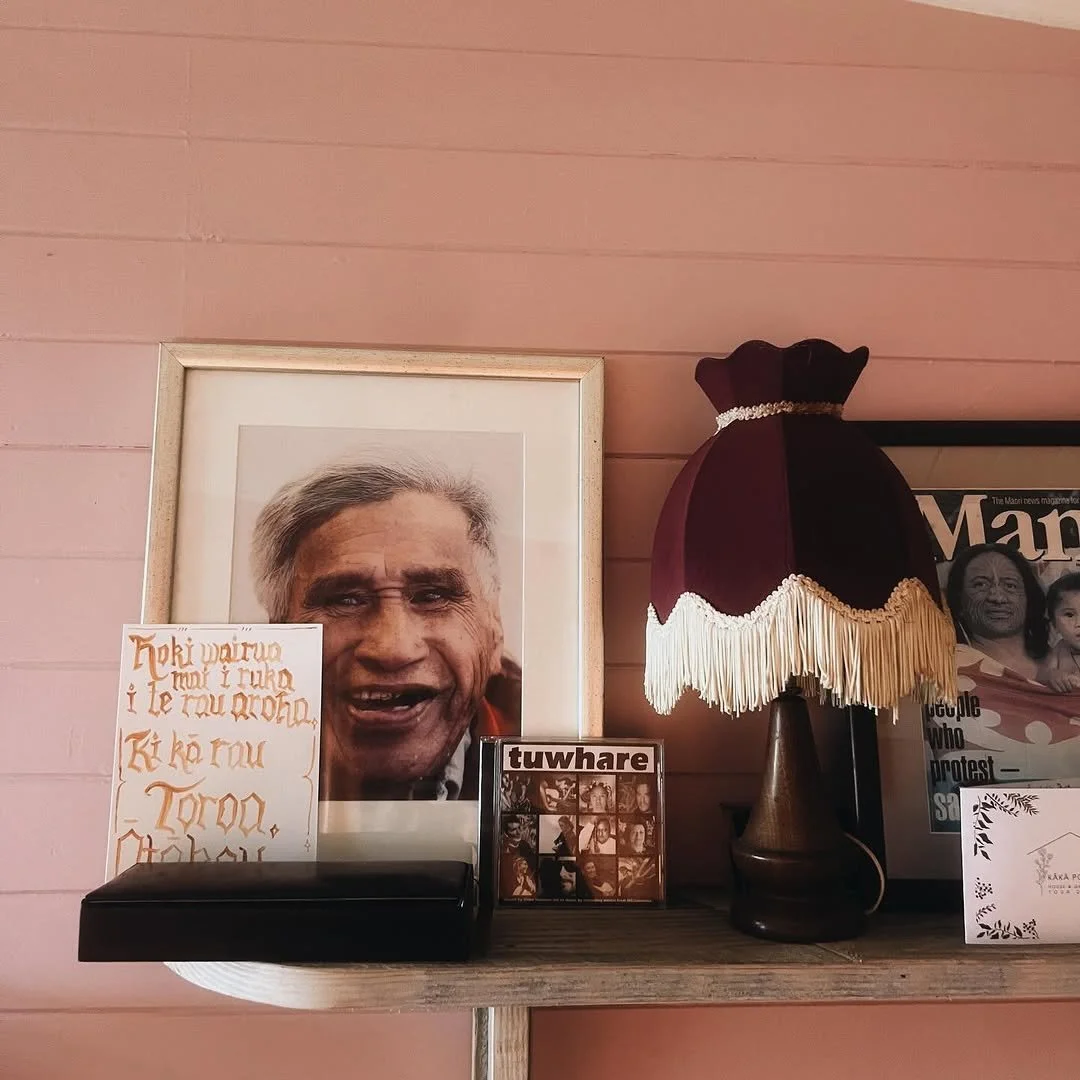
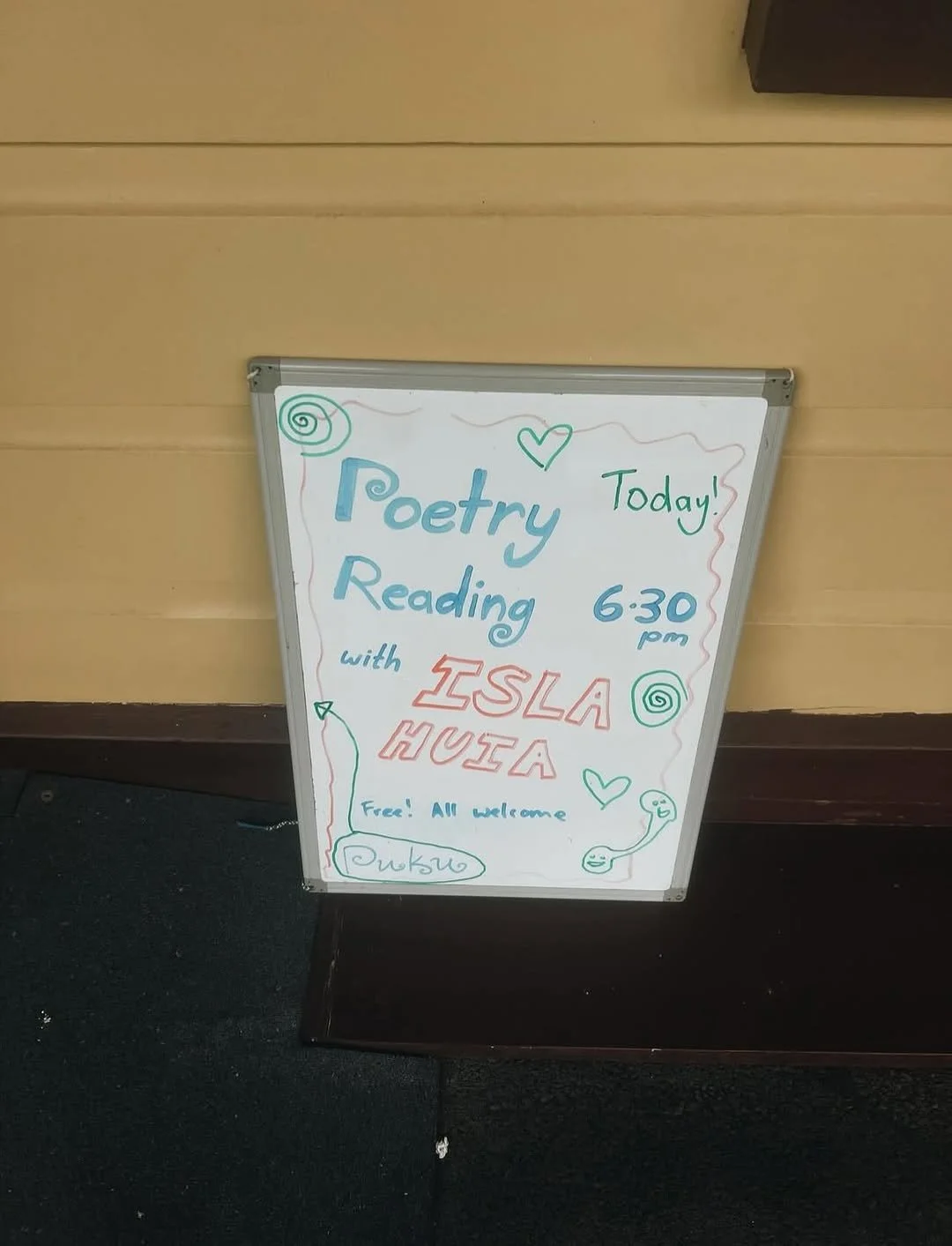
Images : @islahuiapoet
What are you currently looking at, inside or outside of art, that's quietly shaping your thinking?
Isla : I’m really interested in short stories and fiction writing at the moment. It’s not something I’ve ever done, and I have a bit of a complex about not being ‘imaginative’ enough to come up with stories that aren’t pulled from my own reality. But I’m reading a lot, and trying to exercise the muscle that is my imagination, and figure out where my entrance to the world of writing genres outside of poetry might be.
How do you feel about the idea of being labelled an “emerging artist,” especially within spaces like the Springboard Awards?
Isla : I guess I see it the way I see language… as a te reo Māori teacher I often felt worried that I couldn’t call myself ‘fluent’ and that was a big challenge for me to sit with as a kaiako. But one of my lecturers once told me that no speaker of te reo is ‘fluent’ - there are so many dialects, so many new words and old words and aspects to the reo that no singular person could call themselves completely knowledgeable on all fronts - and that every one of us should see ourselves as a learner, constantly evolving, instead. I reckon being an emerging artist is the same; I love that the term ‘emerging’ recognises how much more growth and learning we all have to do, and that that’s a blessing, to have so much more yet to discover in our practices, and in ourselves.
What role does doubt play in your practice?
Isla : I’ve just finished the manuscript of my second book, and strangely, have found myself more doubtful and a bit more nervous than I was with the release of my first collection. I think living up to the first book, and to my own expectations, has put a weird sense of pressure on me that I didn’t experience the first time. In saying that, I think I am learning to work with it, and to remember that first and foremost my writing is always a means by which I’ve made sense of the world to myself, and that the only thing that truly matters in the end is that I still get that sense of clarity and understanding from my work - not how it’s received by others. Reminding myself of that keeps me reassured when those seeds of doubt creep in.
Find out more about Isla Huia’s work here, and learn about The Arts Foundation Te Tumu Toi Springboard Award.
This post was brought to you in partnership with The Arts Foundation Te Tumu Toi.