Maxine Kelly


Interview by Macy Andres
Photography by Yana Kulishenko


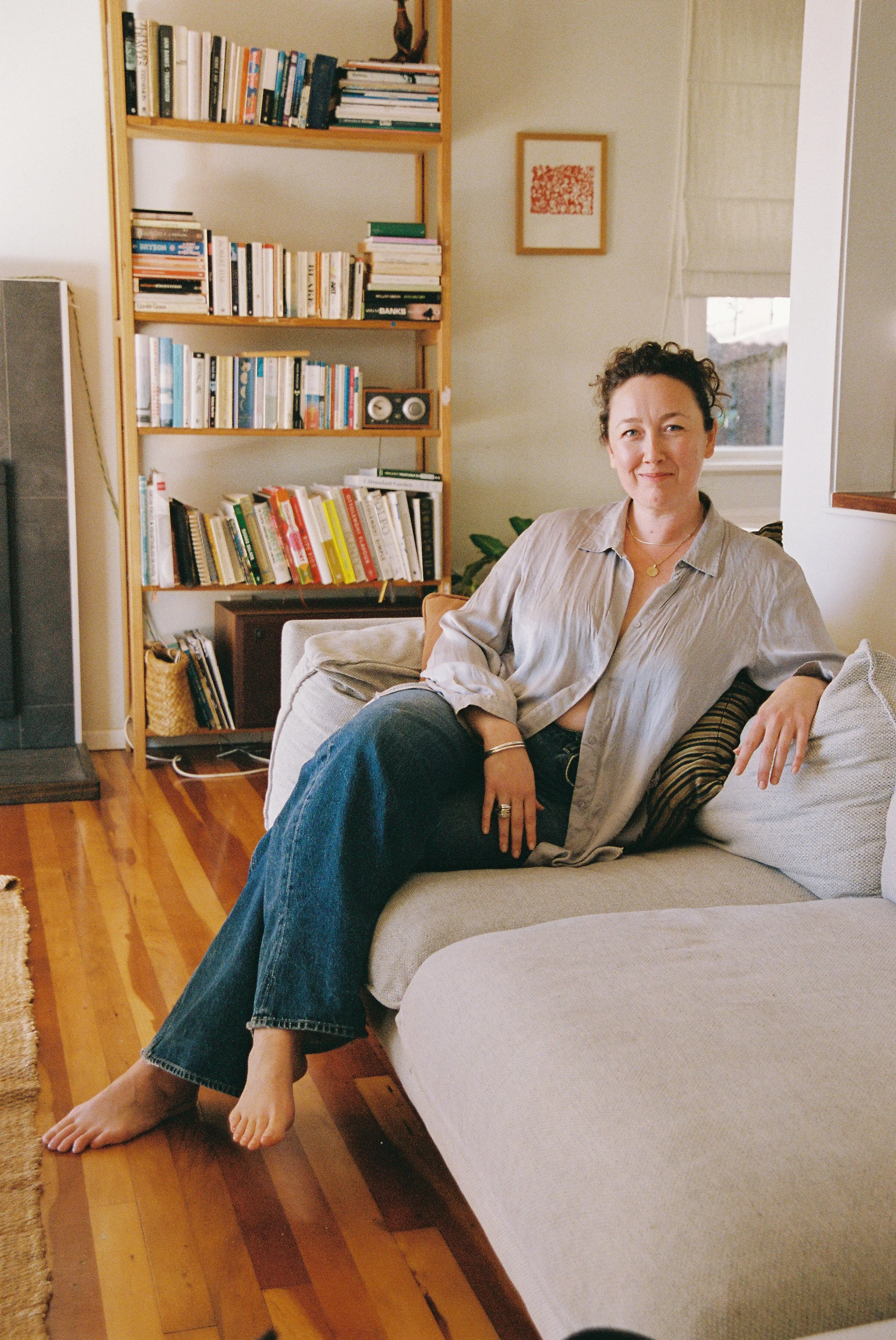
In May of 2024, Maxine Kelly and her brain child, UNDERLENA, began their occupation of Ghuznee Street’s Art Stable. In that timespan, they have expanded their tactors, ‘Sourcing Sensuality’ from an evolving selection of curated garments from Aotearoa and beyond. Reinvigorating Pōneke’s feminine playful. UNDERLENA has emerged as a dynamic player in the sartorial realm; never still, always evolving alongside its support base.

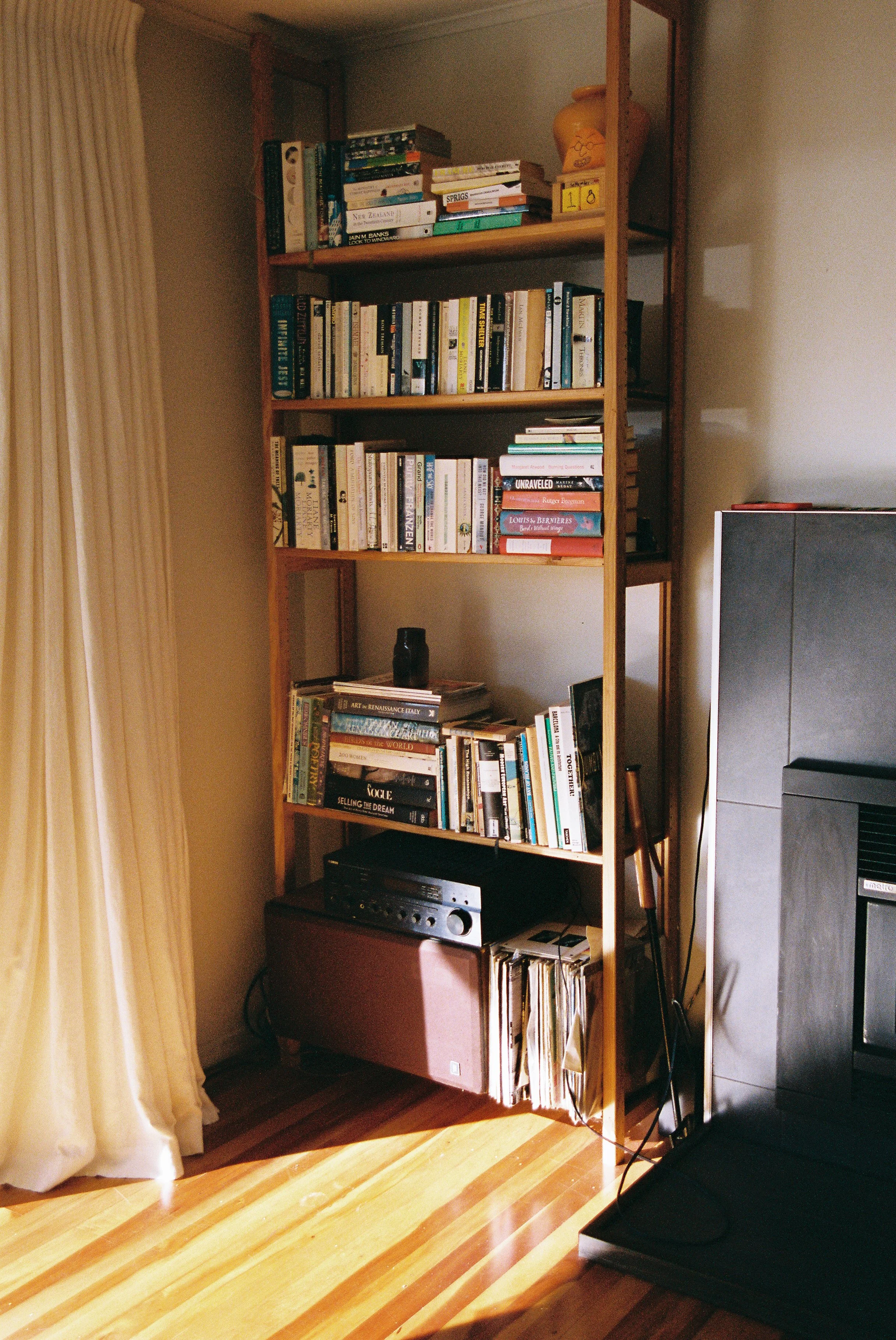
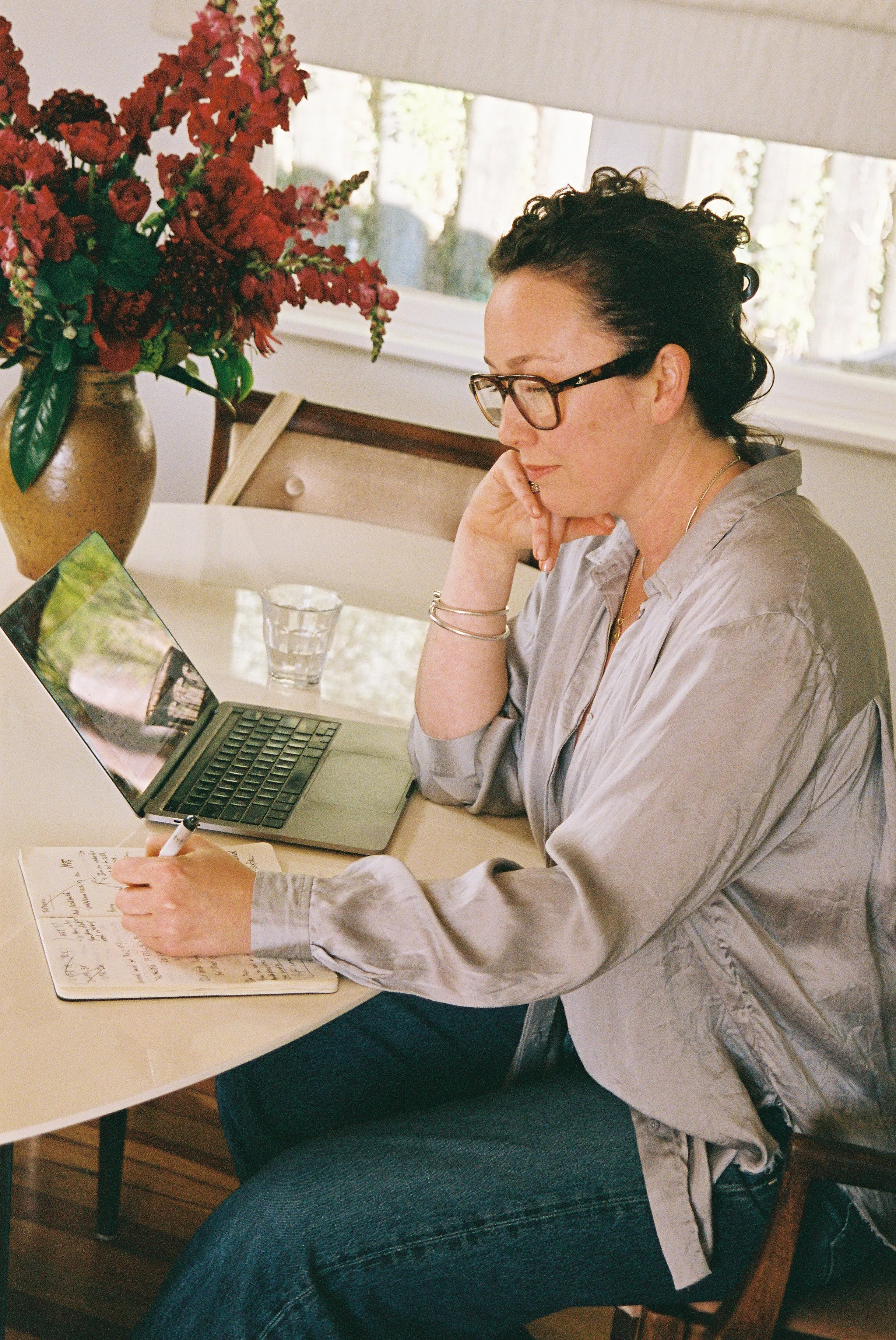
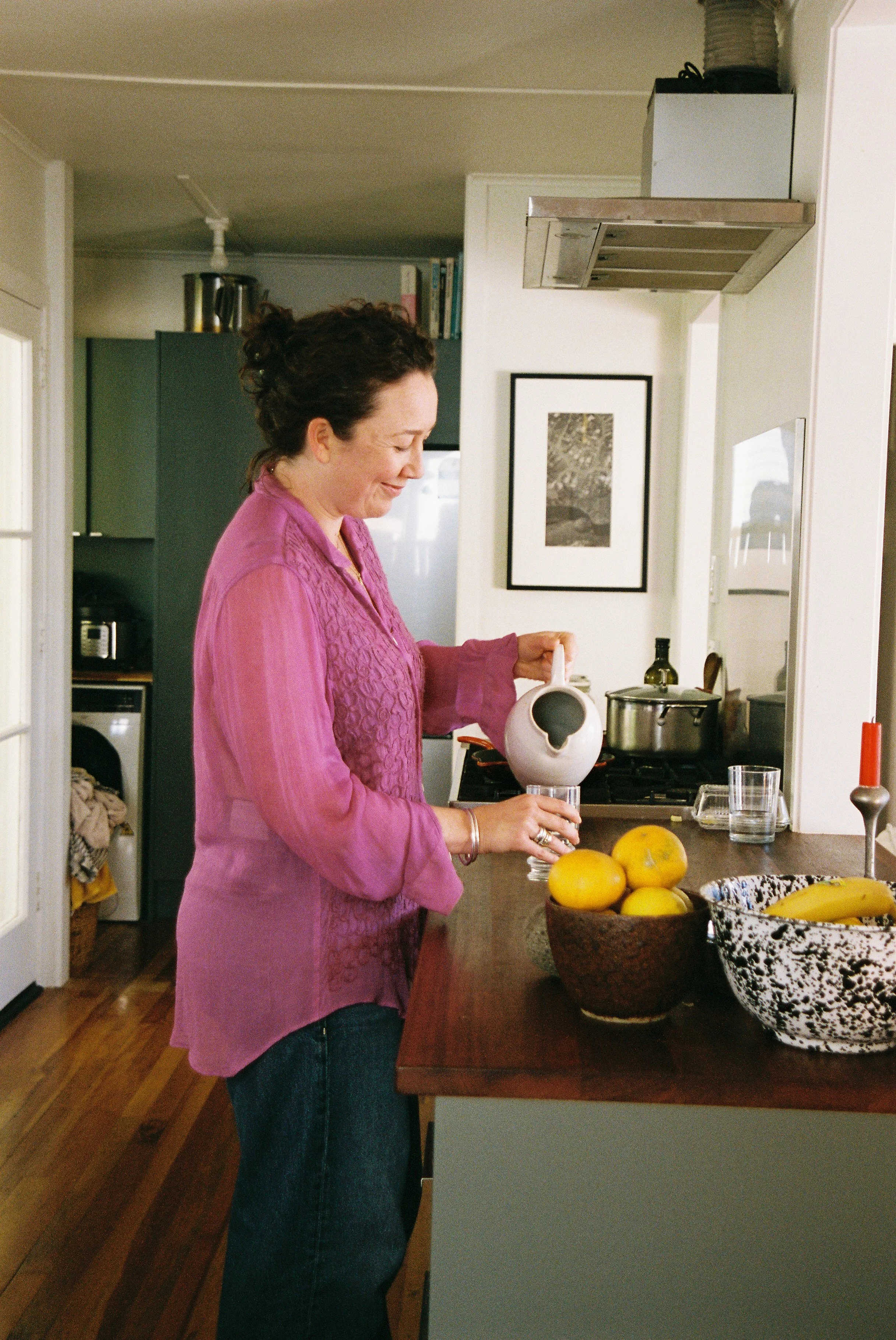
We shared an afternoon of open dialogue with Maxine in her verdant Wellington home; meditating on Underlena’s origins, womanhood, the sensual revolution, and hopes for community.


It seems most fitting to start at Genesis. Undelena was born in 2021—a lockdown baby—off the back of your desire for Aotearoa-accessible, women-focussed lingerie. How has your practical approach evolved as Underlena has found its footing/your support base has expanded? 

When I first started Underlena, I really only had a few brands in mind that I absolutely had to have. That was Araks from New York, The Great Eros from New York, and Kye Intimates from Los Angeles. I think, sure, that has changed over time—but I think the biggest thing that has changed has been having a storefront. When we moved into that space in May last year, being more accessible, by virtue of being visible, meant that we were and are getting a much broader customer base—which is so cool. But it also meant that people began asking me for different things. People are looking for a really nice, special garment, but they are also looking for something they can wear every day. For example, I get requests for ‘T-shirt bras’. A lot of my clients work in offices with air-conditioning and just want to wear a T-shirt, but may not feel comfortable wearing a mesh bra in that environment. So that’s just one of those things that having a broader customer base challenges me with—to find those items and really be searching for brands that both fit the bill of what/want to source, whilst also helping those people who are in need of a specific garment.


That must feel so fulfilling. Out of curiosity—have there been any brands or styles that you’ve recently brought on board as a result of popular request? 

Not hugely, actually. However, one thing that I was seeing a lot more from women 50+ was a desire for a camisole with a knicker to match. That’s when I found Oscalito, which was already on my radar—but that was sort of the moment where I thought: ‘Ah, yeah, this does actually work within this context’. That sort of thing has been quite cool to implement.

I bet; especially when you have such a vested interest in what you’re looking for. It must feel so gratifying to see that people are equally as passionate about what you’re pouring your time into.

Yeah, absolutely! Even more so because most of the time it’s really just me buying what I think is cool! So it’s nice to see that people like these things, too.


You have forged this rare and clear collaborative niche amongst creatives and business owners, not only within the Wellington region (Kau Kau and Sully’s spring to mind; the Ghuznee Street unit), but beyond (particularly, your collaborations with Kristine Crabb of Gloria)! What lessons about the balancing of business and creative partnership have you learned in this process? 

I just think when everyone is open and connected, we all win. I’ve been so lucky to land in a group of independent retailers who all offer something slightly different, so we’re not having to compete. To have people to ask, ‘What shipping company are you using?’—all of these nitty gritty details—as well as to lean on for moral support, is beyond amazing. I don’t think I’d be here, I don’t think Underlena would be where it is today, without that calibre of support. I’ve been super lucky in collaborating with Kristine and having that support in Auckland. It’s amazing the people who come out of the woodworks to aid you and your vision, and I love doing the same for other people as well. We should all be helping each other out—especially women-owned businesses.


1000 per cent—mutual support is vital! This actually leads quite nicely into my next talking point. When I first came to know of Underlena, this collaborative spirit was a quality that really piqued my interest. I was often hearing of intimate soirées in your courtyard (Rita and I had a ball at your Valentine's Eve celebration)—and it engendered this connotation I have with Underlena and tactility. Underlena doesn’t offer the typical storefront experience. It’s not an expectation that you enter, purchase an item on a whim, and then leave. It’s an experience—a sensual practice, if you will. Customers are invited to see, feel, and try your garments, and stay as long as they please. Not to get overly theoretical, but in this post-capitalist era of consumption, commerce has become an impersonal exchange—so much so, that we can easily lose sight of the materiality of our purchasing and its tangible consequences on the environment. These kinds of slow and careful shopping experiences are rarities. So with that, I wonder, was this manner of retailing an intentional decision of yours? Or perhaps rather a natural byproduct of having a vested interest/passion in your craft?

Yeah, I think there’s a few things there. I think one of them is that I don’t have a retail background. So, bar experiencing and loving beautiful stores myself, I don’t have an expectation as to what it means to run a ‘normal’ shop; the systems in place or how customers should be treated. So in that way, I suppose the showroom experience is just an extension of myself; the way that I would host in my home. 

I think, also, I put more thought into my approach because of the subject. It’s intimate by name, by nature. It’s a new kind of space—a small, multibrand retail store. It looks different and has different/uncommon brands, so there’s a lot that can turn people away. It can be a bit intimidating, so it’s absolutely essential that people feel super, super welcomed; like they can sit down on the couch and we can have a chat. I had someone in this afternoon who wanted to know about all of the brands that we have, because she had never heard of any of them before, and was going to go home and report back to her boyfriend in the hopes that he would buy her something! Which I just thought was so cool. She was so interested in each brand’s story; where they came from, where they are made; and I just think that that’s something we are able to facilitate because of the context of the environment Underlena has created. It’s not ‘rush, rush, rush,’ ‘push everything through,’ I mean, we’ve obviously got to make money, but we’re able to do it on this kind of level, which I love.


Absolutely, yes. I think it’s so important, not only for the good of the customer, but also in differentiating yourself as a small business. 

Yes, I believe that when we think about what we wear, many people disregard what they wear underneath. One of the most interesting things from this has been seeing that there are people who either already do take this into consideration, or want to make this change.

On this note, I wondered, how has your relationship to the idea of sensuality and the cultivation of belonging in your body evolved as you’ve matured? Are there any ideas or suppositions that you have adopted or left behind?

God yeah! When I was in my early 20s, sensuality was sex. That was the only connotation. But I always knew that there had to have been something else there. I think as I have gotten older, I’ve realised that sensuality is actually within me. It’s not about someone else’s perception of me; it’s extremely personal. It’s intimately connected to mindfulness—really rooted in slowing down and feeling things, touching things, smelling, hearing; the whole sensory experience. Sensuality, absolutely, still interacts with sex. The lingerie; being seen by someone; that’s still an experience that we all enjoy. But it is not what I primarily associate with sensuality. ‘Sexual pleasure’ may be first the dictionary definition, but the second is ‘enjoyment of the physical senses’. I think that is such an important distinction to make. But, regardless of where someone is in their life, or how old they are, I feel that once you truly have a grasp of who you are in your own body; your agency in the world; and hone your ability to tap into the material, sensual world… you’ll be better off. 

I could talk about this for hours. I mean, we as women, are fed from the moment that we are able to listen, read and see, that our base value lies in our sex. I still remember being twelve and venturing into Bendon with my Mum for the first time. I mean, you know the song and dance—you walk in and are almost immediately oversaturated by racks of slinky, itchy, and/or frumpy garments, modelled by one particular variety of flat-stomached, conventionally beautiful woman. These experiences, how we represent the body at its most ‘intimate’, have lasting impacts on our physical and sensual identities. And I dragged around this idea of physical inferiority with me all throughout my teenage years. It hugely affected my ability to trust both mine, and others', perception of my being. One of the most important realisations that I’ve made in my life thus far, and that I’m sure will only evolve further as I grow, is that sensual satisfaction, alongside general purpose and belonging, can just as easily come from within. It’s not tied to anyone else, it’s completely internal.

It’s so interesting how these struggles with sensual identity crop up year to year, or age group to age group. It’s a conversation at every point in your life as a woman. Your whole experience of your body, how you enjoy it and how you derive pleasure, is constantly changing. Pre and post baby, pre and post menopause.

Yeah! I was talking to my Mums about this conversation we are now having. I shared with them all of the things I wished to talk to you about, particularly where it relates to maturing, and finding your identity as your body changes and perhaps, no longer fits the social mold we have been preened to strive for. And they were both so elated—not only that I was finding interest in these age-specific topics, but that I could discuss them with someone who has an active stake in this realm, and is ultimately working to carve out a space where women can find garments that honour their bodies. I’ve got a fair bit of youth left in me; I’m twenty; but I am a firm believer that one can never be too young to be having these conversations. Anti-ageing rhetoric is everywhere, and the best antidote is dialogue! 


In a similar vein, there exists this idea within Western culture that women relinquish their sexuality with age. Maturity and desirability have been pitted against each other in this diametric opposition—‘you can’t have your cake and eat it too’. A large swath of your customer base is women embarking on this transitory journey; either told they are no longer evocative of desire (which is a whole other can of androcentric fish) or encouraged to conceal their bodies for the sake of ‘palatability’. I was wondering how Underlena challenges these ideals in a material and attitudinal fashion?

I have so many conversations with women who apologise for their bodies, no matter their age. ‘Sorry about my belly,’ ‘Sorry about my upper arms,’ it’s kind of terrifying when you stop to think about it— apologising for your being, which is so beautiful. But on the opposite side of that, it’s incredible to have people come in, try things on, and then overhear a muffled noise from the changing room—a yelp, or a moment of total thrill. There’s been a number of women my Mum’s age that may be inclined to be reserved or shy about their bodies, only to try something on that feels and looks amazing, and have it change their entire demeanour. I mean, I hear it all the time: ‘I don’t like my upper body,’ ‘I don’t want to show too much decolletage because I’m 60,’ and all I think is, ‘Come on, you look fantastic!”. It’s quite a Kiwi trait, as well. You don’t see women in Italy strictly wearing shirts instead of tank tops because they’ve surpassed 40. It’s important to distinguish that it’s not about being ‘sexy’, it’s about wearing what you want. Feeling nice. And, if you feel a little bit hot, that’s great, you know!

Would you have any advice to offer women who, perhaps, had been raised with these trepidatious attitudes, but are now looking to cultivate their sensuality?

I think the first step would be to acknowledge that sensuality is not just the sexual experience. I think that, in itself, removes the taboo or hesitation that people may have toward it. Then, once that’s clear, I would encourage you to pick a moment—a daily, mundane moment—and consider it. Can you smell your moisturiser before you put it on? Can you give yourself a little face massage as you apply it? Can you take a pause to smell your coffee before you drink it? Can you slow down when making dinner, and cook with joy? I mean, I fall flat a lot of the time. But whenever you can find the time and clarity to stretch a moment, sit in it, and sense it—that, to me, is sensuality.

Again, it’s inextricably tactile. I mean, it makes me think of overconsumption and its derivation from our complete lack of environmental presence.

Exactly, so many people just buy shit online!


Does sustainability play a large role in your decision-making?

Yes, absolutely! Sustainability is such a versatile concept. What does it look like, what does it mean? I think for these brands, it means a certain amount of traceability with their suppliers. So depending on how big their team is, how many resources they are able to invest into these processes, that can make a huge impact. For example, having a B Corp certification can be a great sustainable indicator, but you, as a business, have to have resources to attain that. So, naturally, these smaller brands do not always have these recognisable markers—but they can easily talk to you about who each of their individual suppliers and manufacturers are. In that sense, yes, absolutely I wanted to work with brands that were not making squillions of units per year, and were of high material quality. Extending the life cycle of your bra.

This leads quite nicely into my final line of questioning. I can guarantee that if you peer inside any woman’s top drawer, you’ll encounter, at minimum, four bras; out of which only one is in regular use. The market for undergarments is oversaturated with uncomfortable, unfit-for-purpose—and dare I say, frumpy—items. Women are shelling out hundreds of dollars on copious over-priced products that, frankly, are not made with our best interests in mind. It can be difficult to justify spending over $100 on a single bra purchase. I know my mother certainly leans toward that camp of thinking (all I can hear right now is her voice saying, ‘frivolous!’). But, what if we each took the time to ensure that this one garment actually fit us, provided adequate support, and made us feel sexy? Wouldn’t that rival the cost of four or more superfluous bras? How does Underlena fit into this eutopic scenario? 

I mean, you’ve said it all! At its most basic—for me, it comes down to putting something on and feeling great in it. Loving the colour, the fit, the detail, and purely thinking: “Wow, I feel amazing!” Most of us wear bras every day. One of the worst feelings is anticipating putting one on and thinking, “Oh God, here we go again.” You shouldn’t have to think about it too much in the morning. No more ‘squeezing in’. It should fit you, you shouldn’t fit it. It should also match your personality and your clothing—your undergarments should be you as well! 


Since we first talked, a lot has changed! You’ve launched and run your very own line of UNDERLENA underwear, created your Substack publication, Notes on Sensuality, and are anticipating a summer lineup of various pop-ups and exhibitions. UNDERLENA is never stagnant. Tell us about some of the key takeaways you’ve gleaned from this journey—what have you learned about yourself? Where is UNDERLENA heading?

I've learned that I thrive in a busy, always moving environment. It's not a surprise—I've always loved my world to shift—I have a strong sense of who I am, so an ever-moving external environment doesn't destabilise me, it energises me. That being said, I always wonder why I insist on stacking so much on my plate!

There is a founder I admire, Kerrilynn Palmer, who owns CAP Beauty in the US. She mentioned on Substack recently that she loves brands that don't just stick to their category, and instead build out an entire world—referencing CAP Beauty's hot sauce that they launched when they are, by definition, a beauty brand; and also JW Anderson's collaboration with brands from different categories, such as tableware. I can really relate to this and love the potential of everything else we can do. I don't only see us as a lingerie store but rather a place to explore sensuality in all of its modes—food, sexuality, touch, sight, smell etc etc. That is one of the reasons I started Notes on Sensuality—I just felt like there was (and is) so much more to explore outside of the bounds of a marketing calendar. 

Since we launched the Underlena line, we've had the incredible opportunity to take the wheel of one of our most beloved brands, PATINA. So, having that alongside our Underlena line (which was so well received by our community) puts us in a really beautiful position to grow and just do more of what we love, at our own pace.

 
Guest Writer

If you would like to write an article, contribute a body or work or share your story, we would love to hear from you, please email us at info@sauce-mag.com.

Next
Next

Meet Peggy Robinson: The Visionary Behind PEG Gallery in Pōneke Wellington